
They were the first physical aggregates from research on architectonics and how articulations can be approached through human and machine intelligence. The…
Stargazer is serial research into how human and machine intelligence can work together in articulating random parts, dwelling on the unachieved myth of looking at the cosmos and our place in it as the birth of computation. Using a custom Brain-Computer interface, it explores how ideas from the mind can combine with machine learning to create new design solutions from the chaotic abundance of today’s informational ecosystems. Drawing from models of learning and memory, the project uses human intelligence to recognise patterns and machine intelligence to generate possibilities, organising them into categories of architectural elements. Doing so challenges traditional design methods and rethinks how we create meaning in architecture directly from the flow of thought unobstructed by linguistic media.
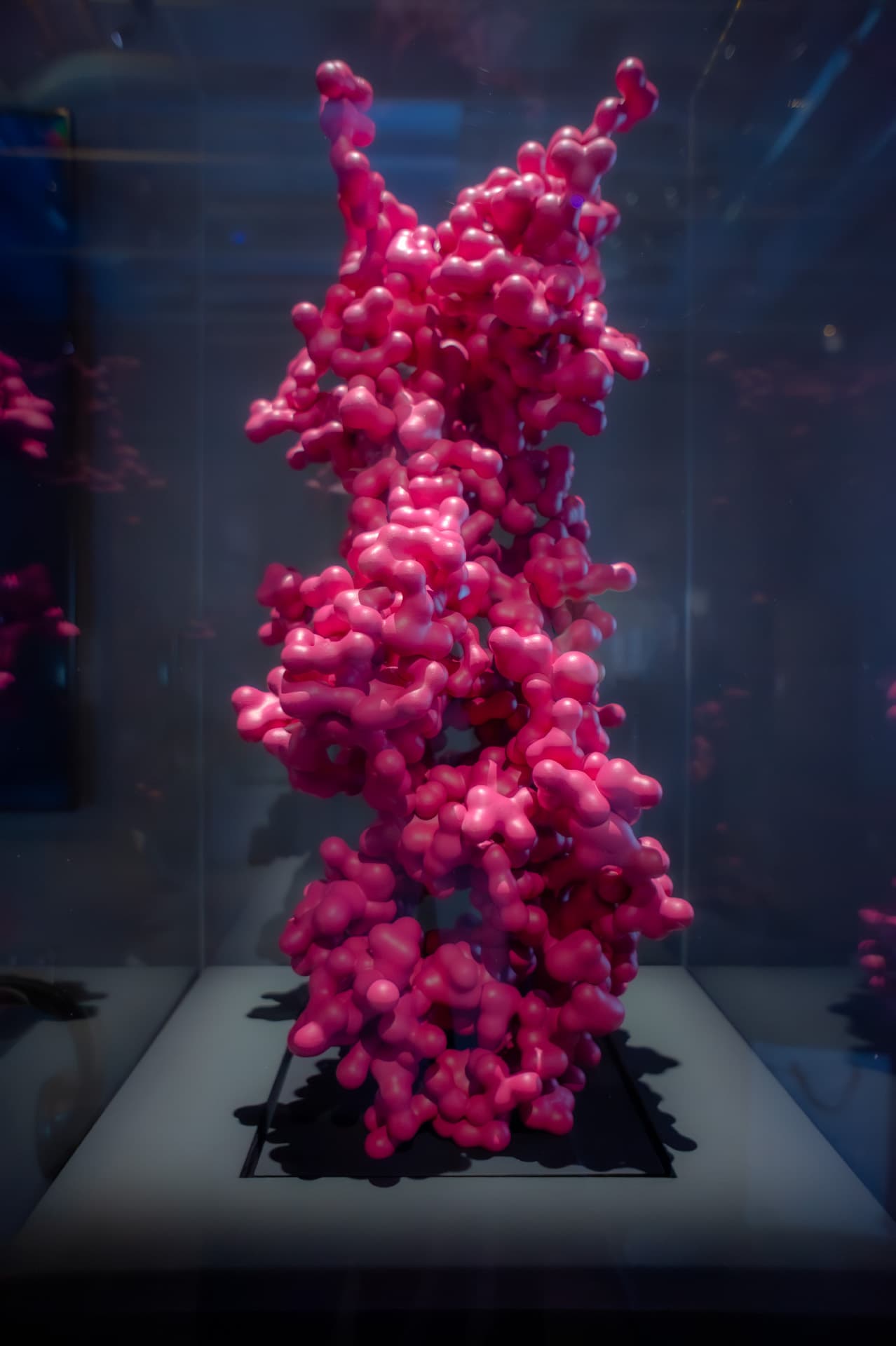
They were the first physical aggregates from research on architectonics and how articulations can be approached through human and machine intelligence. The developed mixed model leverages human intelligence to harness discriminative capacities found in neural phenomena and artificial neural networks, serving as perpetual generators of new potential solutions to explore. Doing so challenges the syntactical tradition of the generative in architecture while reappraising information and communication theories and permuting the ideas of parts with tokens, grammars with beliefs, and assemblies with aggregates. The two columns manifest a significant step in this new modelling approach. They can be seen as a dialectic between the potential of human intelligence to create meaning by indexing things in the world to categories and concepts, and the potential of machine intelligence to decode latent and manifold structures. Two Columns From Neural Potentials is an installation of two sculptures about half a meter tall and a video of the process and performance of creating them. It is part of an ongoing series of aggregates of thousands of random physical parts of organic shape coated in a bright magenta tone. While probing the brain with the interface I developed, they progressively come together from one’s wandering thoughts about architectural objects with spatial qualities, such as column. Pushing further my techniques and discourse, this series breaks the idea of modelling based on linguistic codes to form objects and instead use the language of our thoughts to create them. While the first column stems from an interactive discussion via a Brain-Computer interface between a human and a machine learning model, the second is the automatic, generated monologue from the model after pondering. The installation of two columns premiered in the group exhibition Neurons in 2020 at Centre Pompidou Paris.
After long-form interactive training sessions, the machine learning model generated fully automated aggregates as an understanding of what a column might mean.
Column #2, generated by a machine learning model trained from human thoughts.
Series: Stargazer
Version: 0.0
Title: Two Columns From Neural Potentials
Year: 2020
Type: Sculpture, Video
Authors: CompMonks
Dimensions / Format: 20 x 20 x 60 cm x 2, 4K - 3840 x 2160 px, 20 min
Materials: 3D printed ABS plastic, neodymium magnets, acrylic paint
Funding: CAAD ETH Zürich
Production: CompMonks, Materialise, CAAD ETH Zürich
Collaboration: ETH Zürich - Scientific collaboration
Exhibitions: Neurons, Simulated Intelligence (Centre Pompidou, 2020)
©CompMonks